
Relationship anxiety can shake the foundation of even the strongest partnerships. It often arises from fear of inadequacy or the unpredictability of emotions. Implementing simple relaxation techniques can significantly ease this anxiety and foster healthier dynamics.
Understanding how to manage these feelings is essential for maintaining connections. Each technique offered in this blog post is designed to empower individuals, providing the tools needed to navigate their emotions more effectively. From mindfulness practices to breath control, these methods can bring a sense of calm to a tumultuous relationship landscape.
As one integrates these relaxation strategies, they may find it easier to communicate openly and connect more deeply with their partner. The following techniques aim to enhance emotional well-being and ultimately strengthen the bonds that matter most.
Understanding Relationship Anxiety and Its Effects
Relationship anxiety is a complex concern that affects many individuals. This section explores its definition, impact on mental and physical health, and common causes and triggers.
What Is Relationship Anxiety?
Relationship anxiety refers to the persistent worry and apprehension regarding romantic partnerships. Individuals experiencing this anxiety often grapple with fears of inadequacy, abandonment, or rejection. These thoughts can lead to rumination, where one fixates on negative outcomes, amplifying their distress.
Signs include excessive questioning of their partner’s feelings and frequent need for reassurance. This anxiety can stem from past experiences or deep-seated insecurities. It can create a cycle of doubt, making healthy communication difficult between partners.
Impact on Mental and Physical Health
The effects of relationship anxiety can significantly influence both mental and physical health. On a mental level, it often contributes to heightened stress, anxiety disorders, and depression. It becomes challenging to maintain mental well-being when dominated by relentless worrying.
Physically, anxiety can manifest in various symptoms such as headaches, fatigue, and gastrointestinal issues. The body responds to prolonged stress by releasing cortisol, which can lead to further health complications. Addressing these symptoms is crucial for overall health.
Common Causes and Triggers
Several factors can contribute to relationship anxiety, with each person experiencing unique triggers. Key causes include:
- Past trauma: Negative experiences from previous relationships can lead to trust issues.
- Insecurity: Low self-esteem can drive fears of inadequacy compared to a partner.
- Communication issues: Poor communication fosters misunderstandings, escalating anxiety.
Environmental factors, such as societal pressures or expectations, can also exacerbate feelings of anxiety. Recognising these causes is essential for developing coping strategies and enhancing relationship health.
5 Simple Relaxation Techniques to Ease Relationship Anxiety
Implementing effective relaxation techniques can significantly alleviate relationship anxiety. These methods promote emotional balance and a sense of calm, creating a more reassuring environment for communication.
Deep Breathing and Breathing Exercises
Deep breathing exercises are fundamental for reducing anxiety. Techniques like diaphragmatic breathing help individuals engage their diaphragm fully, promoting relaxation. A popular method is box breathing, which involves inhaling for four counts, holding for four counts, exhaling for four counts, and holding again for four counts.
By focusing on each breath, participants can divert attention from anxious thoughts. Engaging in these exercises regularly can enhance the relaxation response, allowing individuals to respond more calmly in stressful situations. For effective results, she can practice these techniques daily, even for just a few minutes.
Progressive Muscle Relaxation
Progressive Muscle Relaxation (PMR) is another highly effective technique. It involves tensing and relaxing different muscle groups to promote physical and emotional calmness. Starting from the feet and moving upwards is a common approach.
She can spend about 15 seconds tensing each muscle group, followed by a similar duration of relaxation. This practice not only eases tension but also heightens body awareness. It teaches individuals to recognise the contrast between tension and relaxation, facilitating self-soothing when anxiety arises.
Mindfulness and Meditation
Mindfulness practice significantly benefits anxiety management. It encourages focusing on the present moment, which can help detach from negative thoughts about the past or future. Mindfulness meditation is a structured approach, dedicating specific time to sit quietly and concentrate on thoughts, sensations, or breathing.
She may also consider a body scan, which involves mentally scanning the body for tension. This technique fosters a deep connection between the mind and body, promoting relaxation. Incorporating these practices into daily routines can cultivate a more mindful perspective on relationships.
Visualisation and Guided Imagery
Visualisation and guided imagery are powerful tools for calming the mind. This technique encourages the use of imaginative scenarios to evoke feelings of peace and safety. She can create a mental image of a tranquil setting, such as a beach or forest, focusing on sensory details.
Additionally, guided imagery may involve using recordings or scripts that lead her through calming landscapes. This method not only distracts from anxious thoughts but also reinforces a positive emotional state. Frequent practice can strengthen this tool for immediate use during anxiety-inducing moments.
Complementary Practices for Ongoing Calmness
Incorporating complementary practices into daily life can significantly enhance calmness and reduce anxiety. These practices can be easily integrated into routines, offering effective avenues for stress relief and relaxation.
Creating a Calming Routine
Establishing a calming routine is essential for fostering a sense of stability. This can include time set aside each morning or evening dedicated to relaxation.
Key components might include:
- Mindful Breathing: Spend five minutes focusing on your breath. Inhale deeply, hold for a moment, and exhale slowly.
- Journaling: Write down thoughts or feelings. This helps process emotions and clear the mind.
- Consistent Sleep Schedule: Going to bed and waking up at the same time daily supports overall well-being.
Incorporating these activities into a routine helps create an environment where calmness can thrive.
Aromatherapy and Sensory Activities
Aromatherapy utilises essential oils to promote relaxation and ease tension. Scents such as lavender and chamomile are particularly effective in creating a tranquil atmosphere.
Methods to engage with aromatherapy include:
- Diffusers: Use electric diffusers or candle warmers to disperse fragrances throughout a room.
- Bath Soaks: Add a few drops of essential oil to bathwater for a soothing experience.
- Inhalation: Directly inhale from a bottle for immediate relief during stressful moments.
Additionally, engaging in sensory activities—like textured crafts or mindful eating—can further anchor the individual in the present, enhancing overall calmness.
Colouring for Stress Relief
Colouring is an effective way to promote relaxation and focus. It encourages mindfulness by directing attention to simple tasks.
The benefits include:
- Reduced Anxiety: Engaging with colours can distract from intrusive thoughts.
- Creativity Boost: Colouring allows for self-expression, which can enhance mood.
- Variety of Options: Adult colouring books often feature intricate designs that can be both engaging and meditative.
Setting aside time to colour can lead to a peaceful state, allowing for deeper relaxation.
Yoga, Tai Chi, and Massages
Yoga and Tai Chi are both low-impact activities that merge physical movement with mindfulness. They are particularly effective for reducing anxiety and fostering calmness.
Notable aspects include:
- Breath Control: Both practices emphasise breath, which helps regulate the nervous system.
- Gentle Movements: Slow, deliberate movements reduce tension in the body.
- Mindfulness Focus: They promote presence, making it easier to let go of worries.
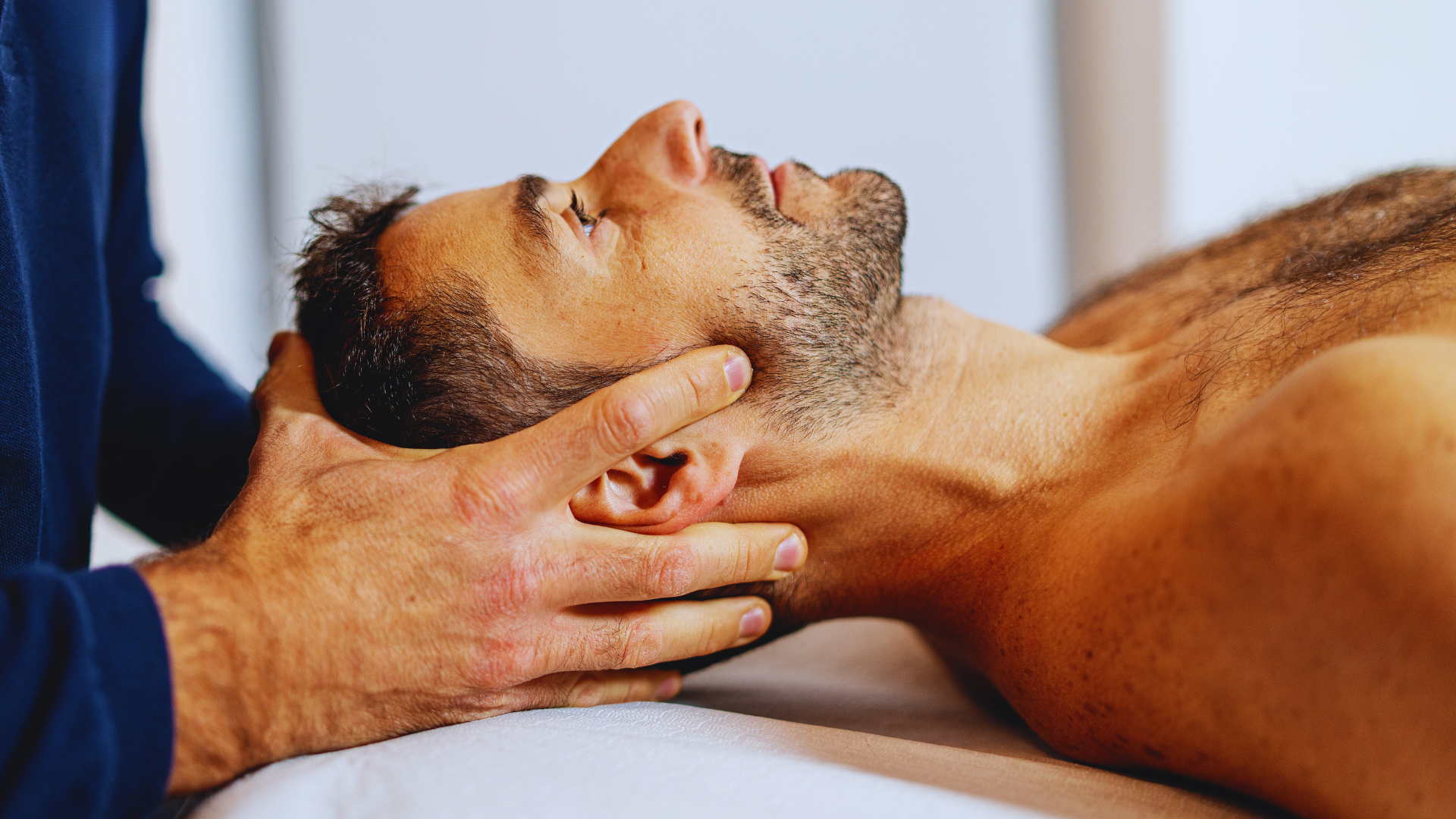
In addition, massages can be incredibly beneficial. They ease physical tension and stimulate the release of endorphins, promoting feelings of relaxation and well-being. Regular massage can also cultivate a deeper connection to one’s body, aiding in stress management.
Implementing these complementary practices can create a holistic approach to ongoing calmness, enhancing one’s ability to navigate relationship anxiety.
Adopting Healthy Coping Mechanisms for Lasting Relief
Effective coping mechanisms can significantly reduce anxiety in relationships. By recognising personal triggers and implementing robust strategies, individuals can foster a sense of stability and enhance their mental well-being.
Identifying Personal Triggers
Understanding what triggers anxiety is the first step toward managing it. Triggers can include specific situations, environments, or even certain comments from partners.
- Self-Reflection: Encourage regular journaling to document feelings and identify patterns. This can illuminate consistent triggers over time.
- Open Communication: Discuss feelings with a partner. This can not only validate emotions but also help partners understand and mitigate these triggers.
- Mindfulness: Practising mindfulness can help identify emotional responses to different situations. Techniques like meditation can make individuals more aware of their triggers in real-time.
Building Long-Term Coping Strategies
Once triggers are identified, developing concrete coping strategies is essential for long-term relief. These strategies should be tailored to individual needs and preferences.
- Grounding Techniques: Techniques such as deep breathing or visualisation exercises can calm acute anxiety episodes. Regular practice can make them more effective.
- Routine Establishment: Maintaining a consistent daily routine can provide a sense of control. This structure can also minimise unexpected stressors that may exacerbate anxiety.
- Positive Affirmations: Regularly practising positive affirmations can counteract negative thoughts and reinforce self-worth. This practice can be particularly beneficial when faced with anxiety-inducing scenarios.
Maintaining Mental Well-being
Sustaining mental well-being is vital for effective coping with relationship anxiety. Healthy lifestyle choices play a crucial role in this process.
- Physical Activity: Engaging in regular exercise may improve mood and reduce anxiety. Activities like yoga or swimming can particularly combine physical and mental benefits.
- Nutrition: A balanced diet can affect emotional health. Incorporating omega-3 fatty acids and avoiding excessive sugar can help maintain emotional stability.
- Social Support: Building a supportive network of friends and family can provide essential emotional resources. Regular social interactions can improve resilience against anxiety.
By focusing on these aspects, individuals can create a solid foundation for managing relationship anxiety effectively.